https://www.atired.com/the-ultimate-guide-to-pheromones-and-human-attraction-the-science-of-scent/
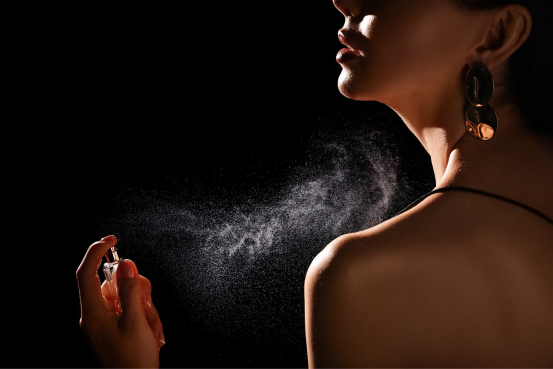
We may have never seriously thought that those small molecules in the air that cannot be smelled or touched can unconsciously affect emotions and even affect whether a person finds you “attractive”. Pheromones are such a mysterious existence. They are not as direct as perfume, nor as choking as cigarettes, but they can stir up some primitive and subtle feelings when you are least prepared.
When it comes to the “chemical messenger” that affects women’s emotions, androstenone is a name that can hardly be avoided. There is a lot of discussion about it in the research community, and it is even a bit lively. However, these discussions often jump between microscopes and brain waves, which makes people confused for a while. But if we talk about it in a different way – like telling a little story about smell and mood, maybe you will be more interested in it, and even willing to try it yourself.
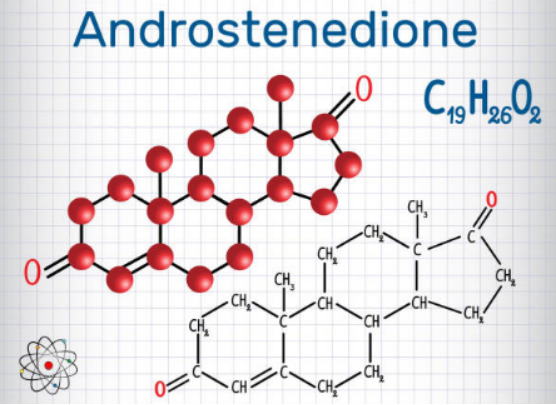
Androstenedione: A “not so pleasant” smell that may make you feel better

To be honest, the smell of androstenedione is not pleasant. Some people think it smells like sweat, some say it smells like moldy wood… In short, it is not “fragrant”. But interestingly, many women have a subtle improvement in their mood after being exposed to this smell. Studies have shown that when women smell low doses of androstenedione in a relaxed state, they score higher on certain images (such as funny videos) and laugh more sincerely.
Of course, this effect is not magic. The dosage, the situation, and your emotional ups and downs that day will affect its “performance”. Sometimes, it seems to secretly help you push from “a bit annoying” to “not bad”; but it is also possible that it does nothing and floats by quietly.
The brain’s “chemical dialogue”: How androstenedione makes us feel better?
If we could film the activity in the brain, some areas would suddenly “light up” when androstenedione appears. For example, the limbic system, the part of the brain that processes emotions, will have some action. Studies have found that it can reduce the amygdala’s response to negative emotions, temporarily taking words like “irritated” and “unhappy” offline.
At the same time, the prefrontal cortex, the area responsible for rationality and feelings of happiness, seemed to be more “online.” It sounds scientific, but also vivid—like someone gently tuned the tune in your brain and turned a cloudy day into a sunny one.
But this regulation doesn’t always happen, and not everyone feels it the same way. Some women may not notice the presence of androstenedione at all, while others may be acutely aware of changes in mood. Fluctuations in hormone levels, individual genetic differences, and even recent emotional states may all be factors.

Not too much, not too little: Dosage and context are really important
Androstenedione is not the type of “the more the better”. Studies have found that low concentrations of 0.1 to 1 micromoles/liter seem to be the most “gentle” range – enough to make people feel relaxed without making the smell too obvious. But if the dose is increased, such as more than 5 micromoles/liter, the effect may be discounted, and even make people feel a little uncomfortable.
What’s even better is that its performance is also very “face-oriented” – not the face of the person, but the face of the scene. In a relaxed and happy environment, it is like a conversationalist, and a gentle push can make you feel better; but once you are nervous and stressed, such as when you are rushing to report or arguing with someone, it may only be able to “stare blankly” because your body is already occupied by cortisol.
Why do some people feel something when they smell it, but others don’t? — Behind individual differences
Everyone’s brain is different, and even their perception of smell is different. Researchers have found that if you are born with a specific version of an olfactory receptor gene called OR7D4 , you will be much more sensitive to androstenedione; if you don’t have it, you may not have any reaction even if you take a big sniff.
In addition to genes, experience is also crucial. If a person is under long-term stress, the neural circuits will be “reshaped” and the response to emotional stimuli may become blunted. This explains why some people say “it’s amazing” after using pheromone perfume, while others think it’s “just so-so”.
From the laboratory to the perfume bottle: imagination of application scenarios
Pheromone perfume is not just a fantasy in science fiction movies, but has actually entered the market. Especially androstenone ingredients have been quietly added into the formula by many brands to create the feeling of “inexplicably wanting to get close”.
But in the final analysis, this kind of perfume is more like a “mood catalyst” rather than a “love potion”. Its effect may be subtle, vary from person to person, and sometimes work and sometimes not. Maybe it just makes you notice it a little more in the crowd, or maybe it makes you a little more relaxed in social situations. It is not the protagonist, but it may be a small assist in your mood.
Finally, the magic of smell also needs to be used at the right time
If you are the kind of person who is very sensitive to emotions and willing to try new things, you might as well try androstenedione perfume. Maybe it won’t be a stunning effect every time, but it’s also fun to have a little more subtle attraction in the crowd.
But remember, it is not omnipotent. It cannot solve heartbreak, anxiety, or make others fall in love with you. It is just a possibility floating gently in the air – if you are willing to notice it, it is there, helping you add a little more gentle filter.
https://www.atired.com/the-ultimate-guide-to-pheromones-and-human-attraction-the-science-of-scent/